Project at a Glance
Minutes to Arrival
Rooms Reconstructed
Months Duration
Municipal Compliance
Executive Summary
When water damage strikes a residential property, the initial emergency response represents only the first phase of a comprehensive recovery process. This case study documents a complex reconstruction services project in Manalapan Township, NJ 07726, where extensive water damage restoration required not only immediate mitigation but a complete multi-phase reconstruction effort spanning several months. The project showcased the critical importance of coordinated reconstruction services that integrate emergency restoration near me capabilities with long-term rebuilding expertise.
The property sustained significant water damage affecting multiple interior spaces including bathrooms, bedrooms, and common areas. What began as an emergency restoration near me callout evolved into a comprehensive reconstruction services engagement requiring controlled demolition, structural repairs, complete interior finishing, and careful coordination with municipal authorities throughout the permitting and inspection process. This case study demonstrates how professional reconstruction services transform water-damaged properties back to pre-loss condition while navigating complex regulatory requirements.
Toms River Restoration’s team managed every aspect of this reconstruction services project, from initial water damage assessment through final municipal approval. The scope encompassed structural framing repairs, insulation installation, complete drywall installation and finishing, kitchen reconstruction with custom cabinetry, tile work, new door installations, and comprehensive interior finishing. Each phase required precise scheduling to align with permitting requirements and mandatory inspections, demonstrating the organizational complexity inherent in professional emergency damage restoration and reconstruction services.
Strategic Response: Why Local Reconstruction Services Matter
Response Times from Toms River HQ
The Critical Connection Between Emergency Response and Reconstruction Services
When property owners search for emergency restoration near me, they’re typically focused on immediate water extraction and damage mitigation. However, the reality of water damage restoration often extends far beyond initial emergency response. This project in Manalapan Township, NJ 07726 exemplifies how comprehensive reconstruction services become essential when water damage affects structural components, interior finishes, and building systems. The transition from emergency mitigation to full reconstruction services requires a restoration partner with capabilities spanning both urgent response and long-term rebuilding expertise, particularly in Monmouth County, NJ communities.
Toms River Restoration positioned its headquarters at 5 Executive Drive, Toms River, NJ 08753 to provide rapid emergency restoration near me response throughout Monmouth County and Ocean County. From this central location, our crews reach communities like Manalapan Township in 30-40 minutes, delivering the fast response times that prevent water damage from escalating into more severe structural problems. This rapid deployment capability proved essential in this case, where prompt initial assessment identified the extensive reconstruction services that would ultimately be required.
Strategic Headquarters Location for Monmouth County Coverage
Our Toms River headquarters enables efficient service delivery across a broad geographic area encompassing Ocean County, Monmouth County, and portions of Burlington County. For properties in Manalapan Township, NJ 07726, this translates to response times of 30-40 minutes for emergency restoration near me calls, positioning our teams to arrive during the critical first hour when mitigation efforts have maximum impact. When emergency response transitions to reconstruction services, this same proximity enables efficient project management with minimal travel time for supervisors, inspectors, and specialized trade crews. Learn more about all the areas we serve throughout New Jersey.
“Fast emergency response prevents immediate damage escalation, but comprehensive reconstruction services restore properties to pre-loss condition. Both capabilities must work seamlessly together for optimal outcomes.”
Understanding the Incident: When Water Damage Requires Full Reconstruction
The water damage incident at this Manalapan Township property created conditions requiring far more than surface-level repairs. Water intrusion affected multiple rooms and penetrated structural components including wall framing, subfloors, and insulation systems. When moisture saturates these building elements, reconstruction services become necessary rather than optional because compromised structural integrity and hidden moisture can lead to long-term problems including mold growth, wood rot, and structural degradation.
The Source and Extent of Water Intrusion
Initial assessment revealed water damage throughout multiple interior spaces including bathrooms, bedrooms, and connecting hallways. The water intrusion compromised drywall, flooring systems, door frames, and in several areas penetrated to the underlying structural framing. Project documentation photos showed extensive moisture absorption in wall cavities, saturated insulation, and water-damaged subflooring that required complete removal and replacement as part of comprehensive reconstruction services. When water damage extends beyond 48 hours without proper mitigation, the risk of mold growth increases significantly, making rapid response and thorough reconstruction essential.
Bathroom areas sustained particularly severe damage, with water affecting tile surrounds, vanity cabinets, flooring, and plumbing fixtures. The kitchen space required complete reconstruction including new cabinetry, countertops, and tile work. Bedroom areas needed structural framing repairs, complete insulation replacement, and new drywall installation throughout. This extensive damage profile made it immediately clear that emergency restoration near me capabilities would need to transition quickly into full-scale reconstruction services. For a complete overview of our restoration and reconstruction capabilities, visit our services page.
Why Reconstruction Services Became Necessary
Several factors elevated this project from standard water damage restoration to comprehensive reconstruction services. First, the water intrusion had saturated structural framing members that couldn’t be adequately dried in place, requiring removal and replacement to prevent future problems. Second, the extent of drywall damage exceeded economical repair thresholds, making complete replacement more cost-effective than patching. Third, municipal building codes required bringing affected areas up to current standards once reconstruction began, expanding the scope beyond simple restoration.
Additionally, the property owners elected to address longstanding functional issues during the reconstruction process, upgrading bathroom fixtures, modernizing the kitchen layout, and improving interior finishes throughout affected spaces. This decision transformed the project from defensive repairs into a comprehensive reconstruction services engagement that improved the property while addressing the water damage. Such strategic thinking represents one advantage of working with restoration companies offering full reconstruction services rather than emergency-only providers. Whether dealing with water damage, fire and smoke damage, or other restoration needs, comprehensive capabilities enable property improvements during the rebuilding process.
Why Fast Response Matters in Reconstruction Projects
Water Damage Progression Timeline
0-1 Hour
1-24 Hours
24-48 Hours
48+ Hours
Property Assessment and Reconstruction Services Scope Development
Before reconstruction services could begin, our team conducted a comprehensive property assessment to document damage extent, identify all affected building systems, and develop a complete scope of work. This assessment phase proved critical because water damage often extends beyond visible surfaces into wall cavities, beneath flooring, and within ceiling spaces. Thorough documentation during this phase prevented costly surprises during reconstruction and provided the detailed information needed for insurance claims processing and municipal permit applications.
Initial Site Visit and Homeowner Consultation
The reconstruction services process began with an initial site visit where our Project Manager met with the homeowner to review damage throughout the property, discuss the reconstruction process, and establish clear expectations for timeline, budget, and communication protocols. This consultation addressed not only the immediate water damage but also the homeowner’s goals for the reconstructed spaces, including any desired upgrades or improvements to be incorporated into the reconstruction services scope.
During this initial assessment, our team documented conditions in each affected area through detailed photography, moisture readings, and structural evaluation. Project photos captured the extent of water-damaged materials including saturated carpeting with distinctive water patterns, exposed wall framing showing moisture penetration, compromised drywall requiring removal, and damaged bathroom fixtures and tile work needing complete replacement. This documentation served multiple purposes including insurance claim support, municipal permit applications, and internal project planning for the reconstruction services team.
Comprehensive Damage Documentation
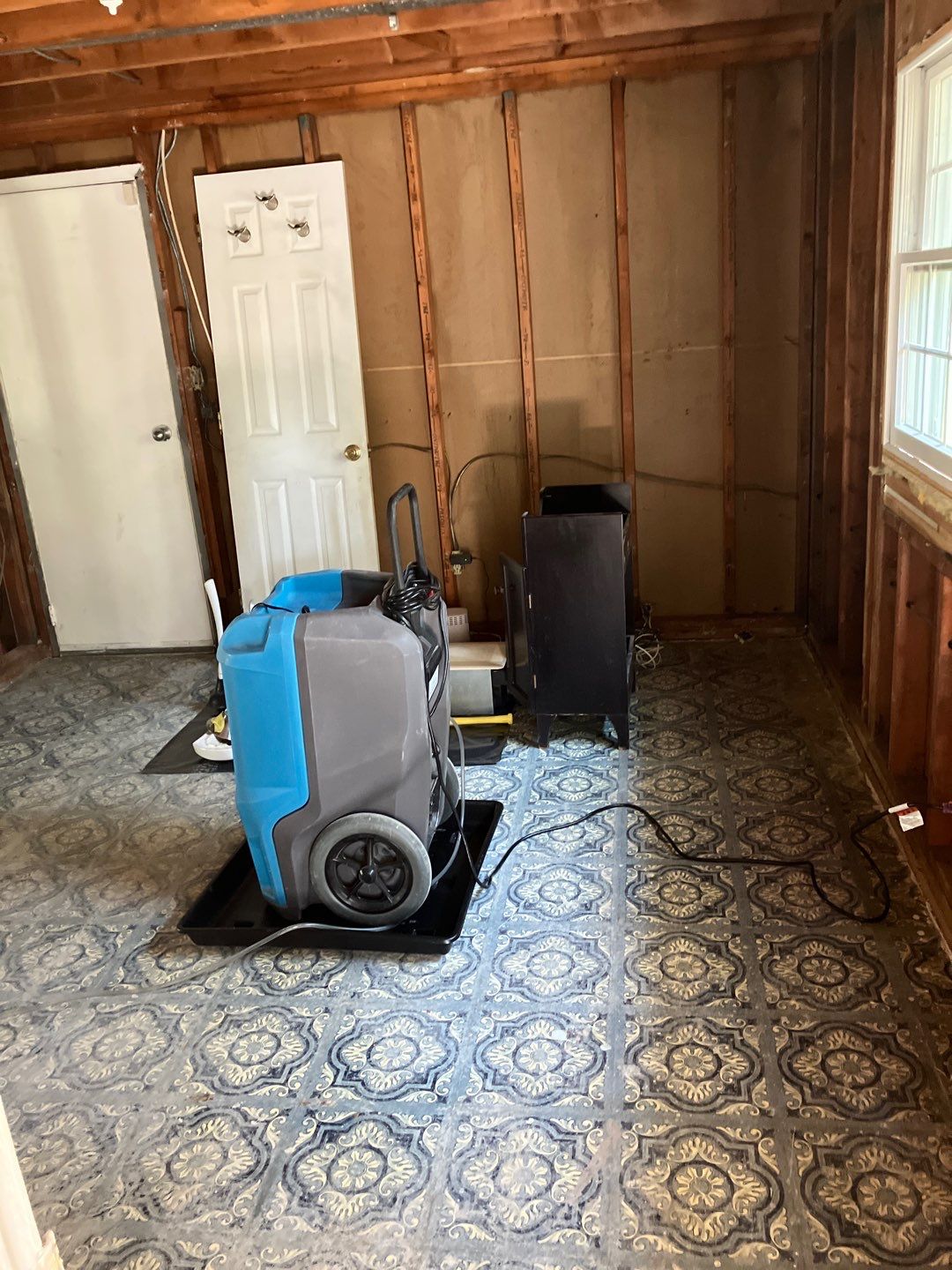
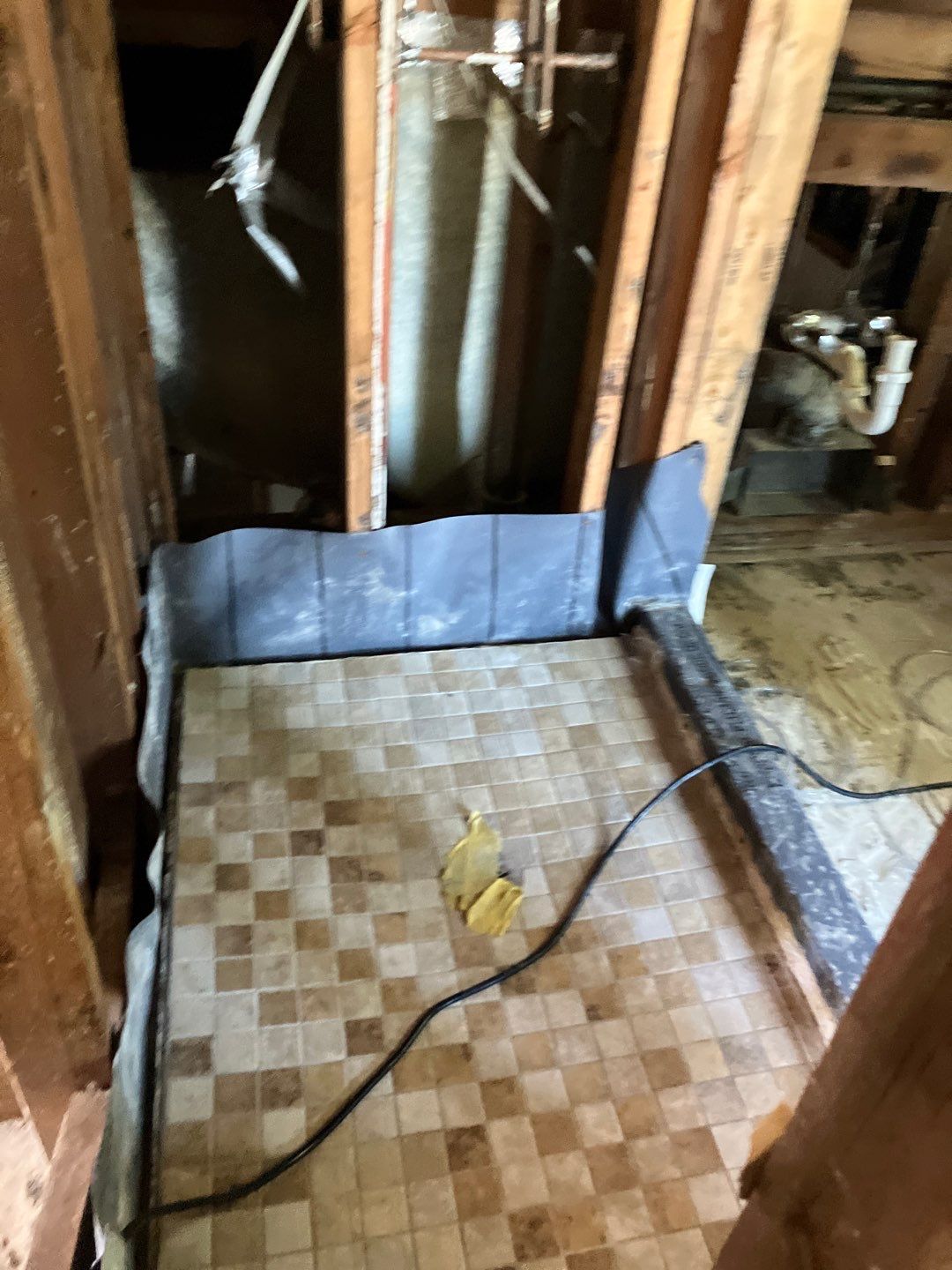
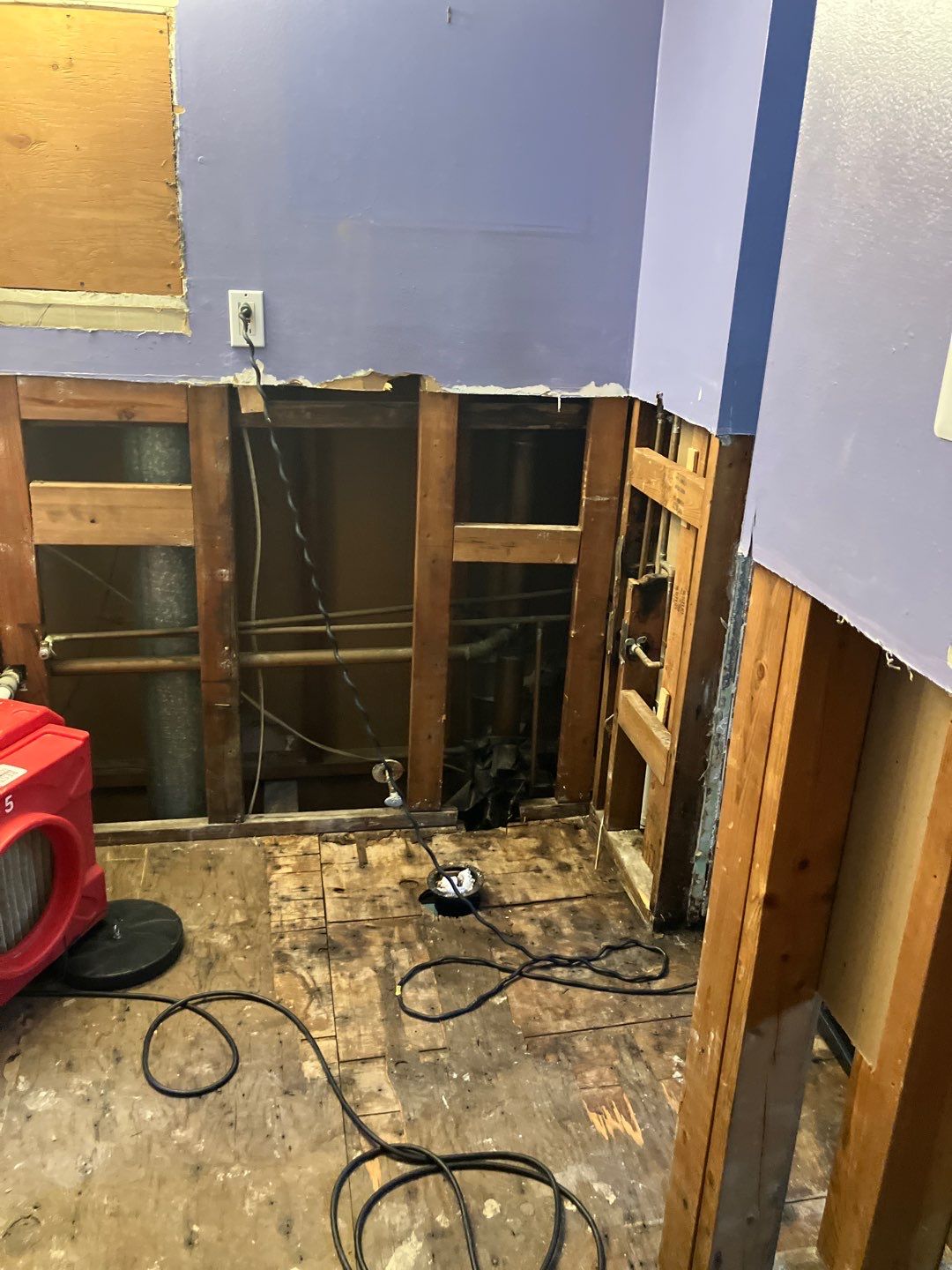
Project documentation revealed water damage affecting multiple distinct zones throughout the property. Bedroom areas showed water-stained carpeting, damaged baseboards, and moisture-compromised drywall that required removal to the studs. Bathroom spaces sustained extensive damage including saturated subflooring, damaged tile surrounds, compromised vanity cabinets, and moisture penetration into adjacent wall cavities. The kitchen area required complete reconstruction including removal of water-damaged cabinetry, flooring, and tile backsplashes.
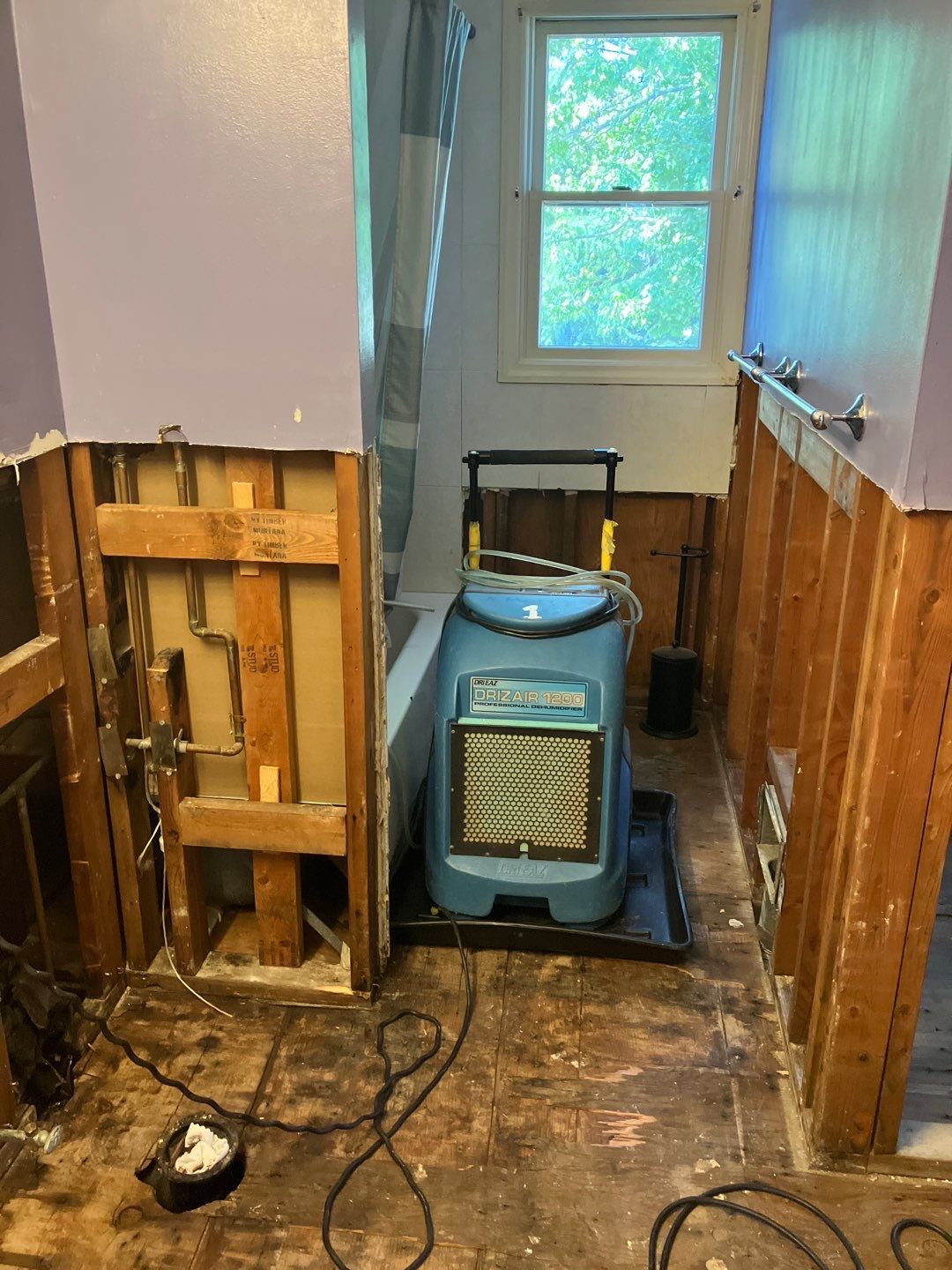
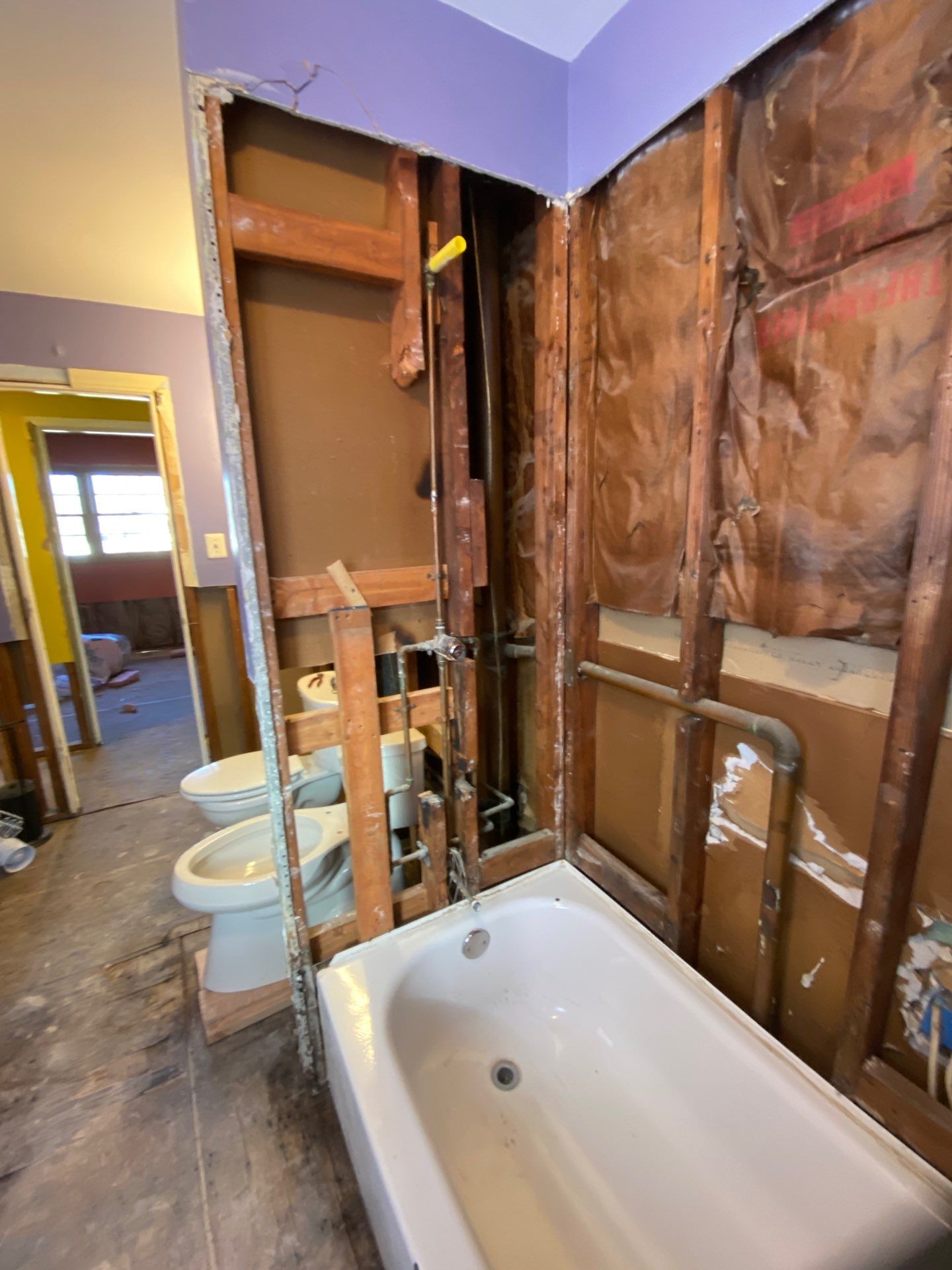
Photographic evidence documented a Dri-Eaz dehumidifier deployed during initial emergency restoration near me response, indicating that immediate mitigation efforts had been implemented to halt damage progression before reconstruction services began. Additional images showed extensive controlled demolition including removed drywall exposing wall framing, extracted flooring revealing subfloor damage, and stripped bathroom areas down to studs and structural components. This demolition work represented the critical transition point between emergency restoration and full reconstruction services.
Reconstruction Services vs Emergency Restoration: Understanding the Difference
Emergency Restoration Near Me: Immediate response focused on water extraction, structural drying, and preventing damage escalation. Typically completed in 3-7 days.
Reconstruction Services: Complete rebuilding of damaged structures including framing repairs, insulation, drywall, flooring, fixtures, and finishes. Timeline extends weeks to months depending on scope and municipal requirements.
Integrated Approach: Toms River Restoration provides both emergency restoration near me capabilities and full reconstruction services, ensuring seamless transitions and consistent quality throughout the recovery process.
Developing the Reconstruction Services Scope
Based on comprehensive property assessment, our team developed a detailed reconstruction services scope encompassing all work required to restore the property to pre-loss condition while meeting current building codes. The scope included structural framing repairs where water damage had compromised wood members, complete insulation replacement in all affected wall cavities, full drywall installation and finishing throughout multiple rooms, kitchen reconstruction with new cabinetry and tile work, bathroom reconstruction including new fixtures and tile surrounds, installation of new interior doors and trim, and comprehensive painting throughout affected areas.
This extensive scope required careful planning to sequence work phases in alignment with municipal permitting and inspection requirements. Unlike emergency restoration near me services that can often proceed immediately, reconstruction services in New Jersey require building permits, approved construction plans, and scheduled inspections at multiple project milestones. Our team integrated these regulatory requirements into the project schedule from the outset, preventing delays and ensuring all work met local building code standards.
Toms River Restoration’s Reconstruction Services Process
Response Strategy: Coordinating Reconstruction Services from Emergency Through Completion
Successful reconstruction services require more than construction expertise—they demand sophisticated project management coordinating multiple stakeholders including homeowners, insurance adjusters, municipal building departments, inspectors, and specialized trade contractors. This Manalapan Township project exemplified these coordination challenges, with work phases necessarily sequenced around permitting timelines, inspection schedules, and material delivery logistics. Our Project Manager served as the central coordination point, maintaining consistent communication with all parties and proactively managing expectations throughout the reconstruction process.
The Project Management Advantage in Reconstruction Services
Many property owners searching for emergency restoration near me don’t realize that the project management component often determines reconstruction success more than any other single factor. Technical construction skills matter, but without effective coordination, even excellent tradesmen can’t deliver optimal results. This project required our Project Manager to schedule and coordinate framing contractors, insulation installers, drywall finishers, tile setters, cabinet installers, painters, and various other trades while ensuring each phase aligned with municipal inspection requirements.
The project management challenge intensified because reconstruction services couldn’t proceed continuously—work had to pause at specific milestones for mandatory inspections before subsequent phases could begin. Our PM maintained detailed scheduling that accounted for inspection lead times, contractor availability, material delivery schedules, and the homeowner’s need for advance notice when construction activities would occur. This complex choreography separates professional reconstruction services from general contractors lacking restoration-specific project management experience.
Municipal Coordination: Permits, Plans, and Inspections
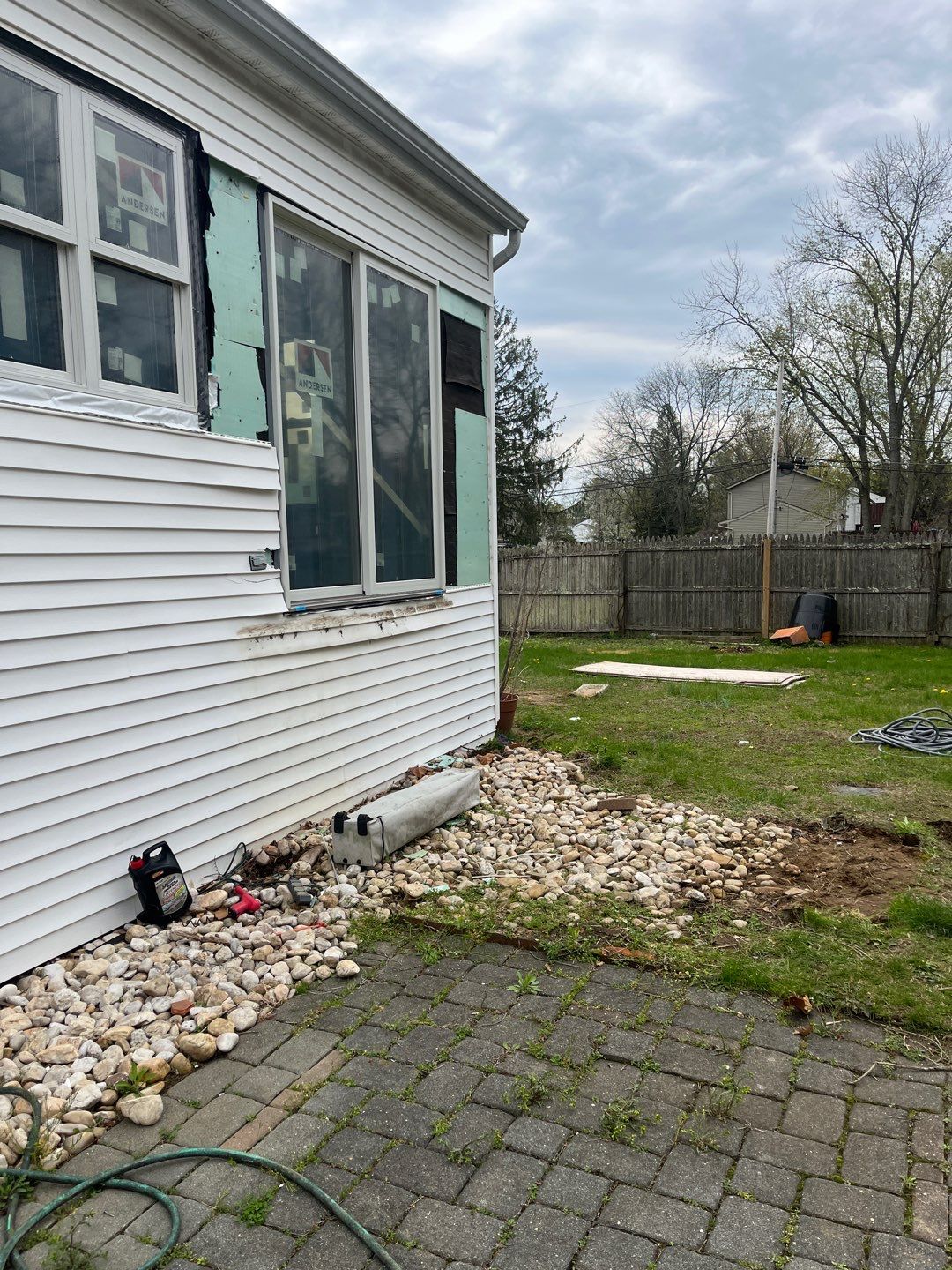
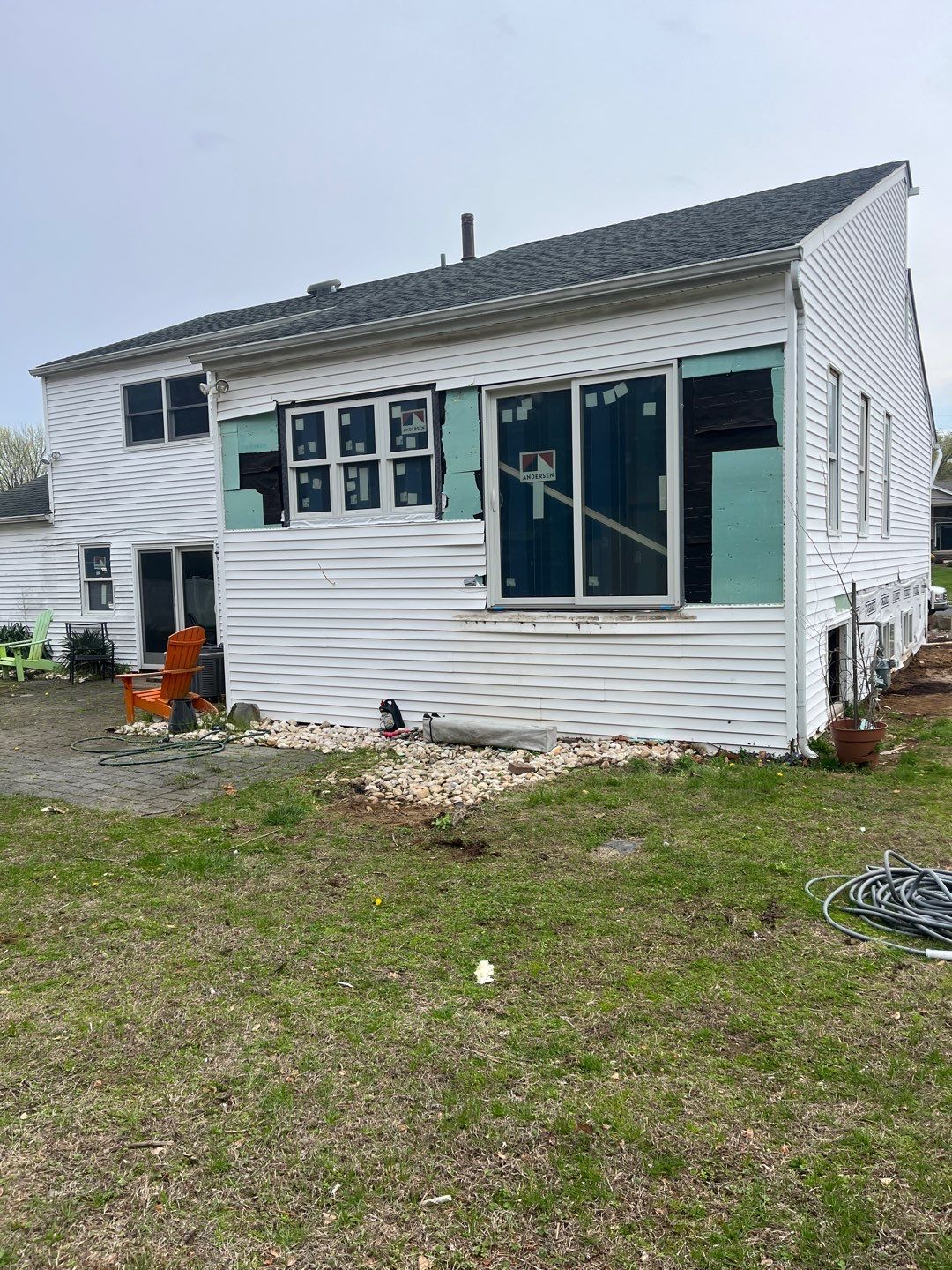
Municipal coordination represented a major component of this reconstruction services project. The scope of work required township building permits, and in this case an additional separate fence permit for exterior work. Our team managed the entire permitting process including preparation of construction drawings, submission of permit applications, coordination with township building officials, and management of required plan revisions when initial submissions required modifications to meet local code requirements.
New Jersey building codes impose specific requirements for reconstruction services that exceed original construction standards in many cases. When reconstruction affects structural elements, current code requires bringing those elements up to current standards even if the original construction predated those requirements. This reality can expand reconstruction services scope beyond simple restoration, adding costs and complexity that property owners don’t anticipate. Our team identified these code-upgrade requirements during initial assessment, incorporating them into project scope and budget from the outset to prevent surprises.
“Municipal permitting and inspection requirements add timeline complexity to reconstruction services, but they ensure work meets current safety standards and protects long-term property value. Professional project management makes this process manageable.”
Inspection Scheduling and Compliance
The reconstruction services timeline included multiple mandatory inspections at key project milestones. After initial demolition and framing repairs, the township required a framing inspection before insulation could be installed. Following insulation installation, another inspection verified proper installation and coverage before drywall could proceed. Electrical and plumbing work required separate inspections by licensed tradesmen and township inspectors. Final inspections confirmed all work met approved plans and building code requirements before the project could be closed out.
Each inspection represented a potential delay point if issues were identified requiring correction and re-inspection. Our reconstruction services approach emphasizes getting inspections passed on the first attempt through detailed attention to code requirements and quality workmanship. On this project, all inspections were successfully passed without requiring major corrections, keeping the reconstruction timeline on track despite the inherent delays created by inspection scheduling lead times.
Initial Emergency Response Equipment Deployment
While this case study focuses primarily on reconstruction services, the project began with emergency restoration near me response that prevented damage from escalating further. Project documentation showed deployment of professional drying equipment including commercial dehumidifiers during the initial response phase. This immediate mitigation proved essential because it prevented additional moisture absorption into structural components, limiting the extent of reconstruction services ultimately required.
Dri-Eaz Dehumidifier
Commercial-grade LGR (Low Grain Refrigerant) dehumidification deployed during emergency restoration near me response phase. This equipment removes moisture from the air at rates impossible with consumer-grade dehumidifiers, preventing secondary damage during the critical first 48-72 hours after water intrusion.
LGR Dehumidification
170+ pints/day
2,500+ sq ft
Prevent mold growth & secondary damage
Controlled Demolition: The Foundation of Reconstruction Services
Comprehensive reconstruction services begin with controlled demolition that removes all damaged materials while preserving salvageable structural elements. Project documentation photos showed extensive demolition throughout affected areas including complete drywall removal exposing wall studs, flooring extraction revealing subfloor damage, bathroom fixture removal, and kitchen cabinetry extraction. This systematic demolition represented critical preparatory work enabling proper reconstruction services implementation.
Why Controlled Demolition Matters in Reconstruction Services
The term “controlled demolition” distinguishes professional reconstruction services from haphazard tear-out. Controlled demolition means systematically removing damaged materials while protecting building systems like electrical wiring, plumbing lines, and HVAC components that remain functional. It means identifying the exact boundaries where water damage ended so demolition extends far enough to remove all compromised materials but doesn’t unnecessarily destroy salvageable components. It means containing demolition dust and debris to minimize disruption to unaffected areas.
In this Manalapan Township project, controlled demolition extended through multiple rooms. Bedroom areas required drywall removal to wall studs, exposing saturated insulation that required complete replacement. Bathroom spaces needed demolition down to structural components including removal of tile surrounds, vanity cabinets, fixtures, and water-damaged subflooring. Kitchen demolition included cabinet removal, countertop extraction, and flooring tear-out to enable complete reconstruction of this central space. Throughout these demolition activities, our crews protected adjacent areas with physical barriers and maintained worksite cleanliness through daily cleanup protocols.
Structural Exposure and Assessment
One critical advantage of controlled demolition in reconstruction services is the opportunity for comprehensive structural assessment impossible when finishes remain in place. Once drywall was removed, our team conducted detailed framing inspections identifying any water-damaged structural members requiring repair or replacement. Project photos showed exposed wall framing with visible moisture staining, indicating areas where water intrusion had penetrated deeply into the building structure. These inspections guided subsequent framing repairs, ensuring the reconstructed structure would meet current code requirements and provide long-term durability.
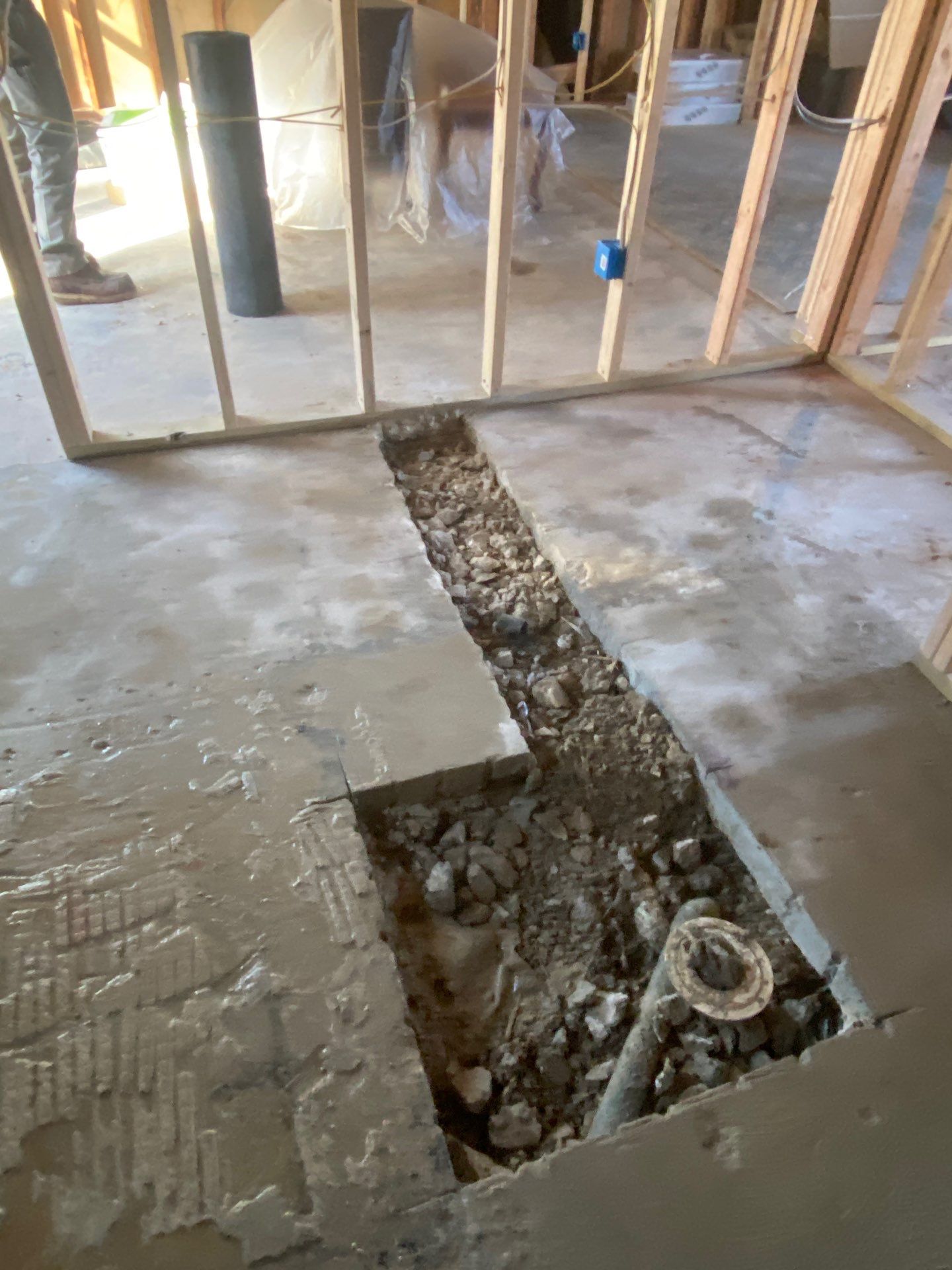
Subfloor conditions received particular attention during demolition because water damage often compromises flooring structural integrity in ways not visible from the surface. In bathroom and kitchen areas, controlled demolition revealed subfloor sections requiring replacement due to moisture absorption, warping, or delamination. Identifying and addressing these structural issues during controlled demolition prevented future flooring problems that would otherwise emerge after reconstruction services completion when repairs become far more disruptive and expensive.
Reconstruction Services Phase Analysis
Reconstruction Timeline Distribution
25%
20%
15%
30%
10%
Affected Areas Reconstruction Scope
Major Areas
Reconstruction Timeline and Methodology
The reconstruction services timeline for this Manalapan Township project extended over several months, with the extended duration driven primarily by municipal permitting and inspection requirements rather than actual construction time. This reality surprises many property owners who expect reconstruction services to proceed as quickly as emergency restoration near me response. Understanding the factors affecting reconstruction timelines helps property owners set realistic expectations and plan accordingly for the temporary disruptions inherent in comprehensive reconstruction projects.
Phase 1: Permitting and Approvals (Weeks 1-3)
The reconstruction services process began with permit application preparation including development of construction drawings showing the full scope of work, completion of township permit applications, submission to the building department, and coordination with township officials regarding any questions or required plan modifications. Initial plan submissions required revisions to meet specific local code requirements, adding time to the approval process. This permitting phase consumed approximately three weeks before physical reconstruction work could begin—time that would have been saved if this were a simple repair project not requiring permits, but time well spent ensuring all work would meet current building code standards.
Phase 2: Controlled Demolition and Framing Repairs (Weeks 4-5)
With permits approved, physical reconstruction services began with controlled demolition throughout affected areas. Crews systematically removed water-damaged drywall, flooring, bathroom fixtures, and kitchen cabinetry, exposing structural framing and building systems for inspection and repair. Following demolition, framing contractors repaired water-damaged structural members, replaced compromised floor joists where necessary, and reinforced areas requiring structural upgrades to meet current code requirements. This framing work triggered the first mandatory inspection milestone.
Phase 3: Rough-In Work and Inspections (Weeks 6-8)
After passing framing inspections, reconstruction services progressed to rough-in work including insulation installation throughout all wall cavities, electrical rough-in for new fixtures and outlets, plumbing rough-in for bathroom and kitchen fixtures, and HVAC modifications where reconstruction affected existing ductwork. Each trade’s rough-in work required inspection and approval before proceeding to the next phase. The sequential nature of these inspections—framing inspection before insulation could be installed, insulation inspection before drywall could proceed—created unavoidable gaps in the construction schedule that extended overall project timeline.
Phase 4: Drywall Installation and Finishing (Weeks 9-11)
With rough-in inspections completed, drywall installation represented a major milestone in the reconstruction services process. Professional drywall contractors installed new gypsum board throughout all affected areas, carefully fitting around electrical boxes, plumbing penetrations, and door frames. Following installation, multiple finishing coats of joint compound created smooth surfaces ready for painting. Drywall finishing requires several days of drying time between coats, adding unavoidable duration to this phase regardless of crew efficiency.
Phase 5: Interior Finishes and Fixtures (Weeks 12-14)
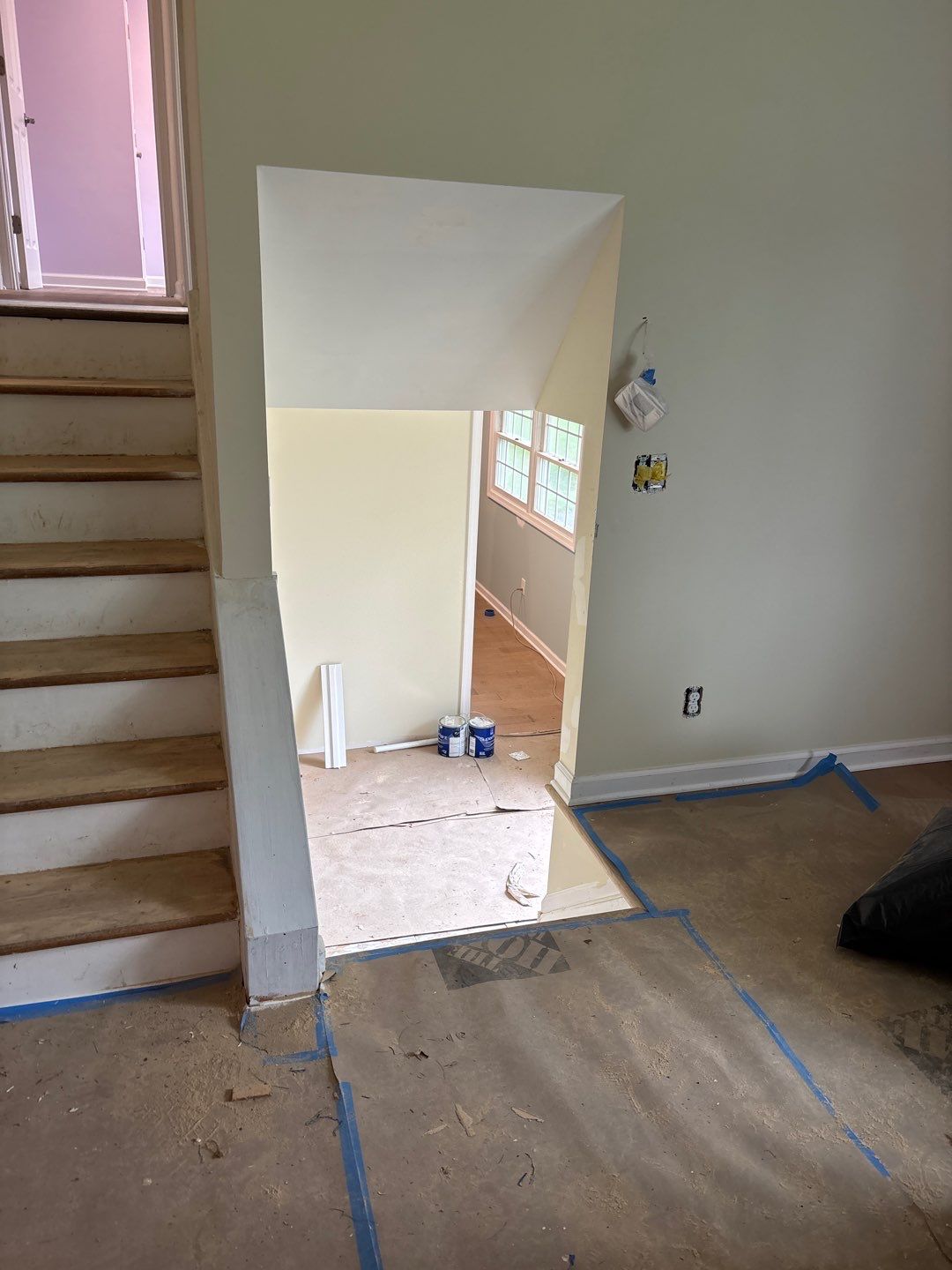
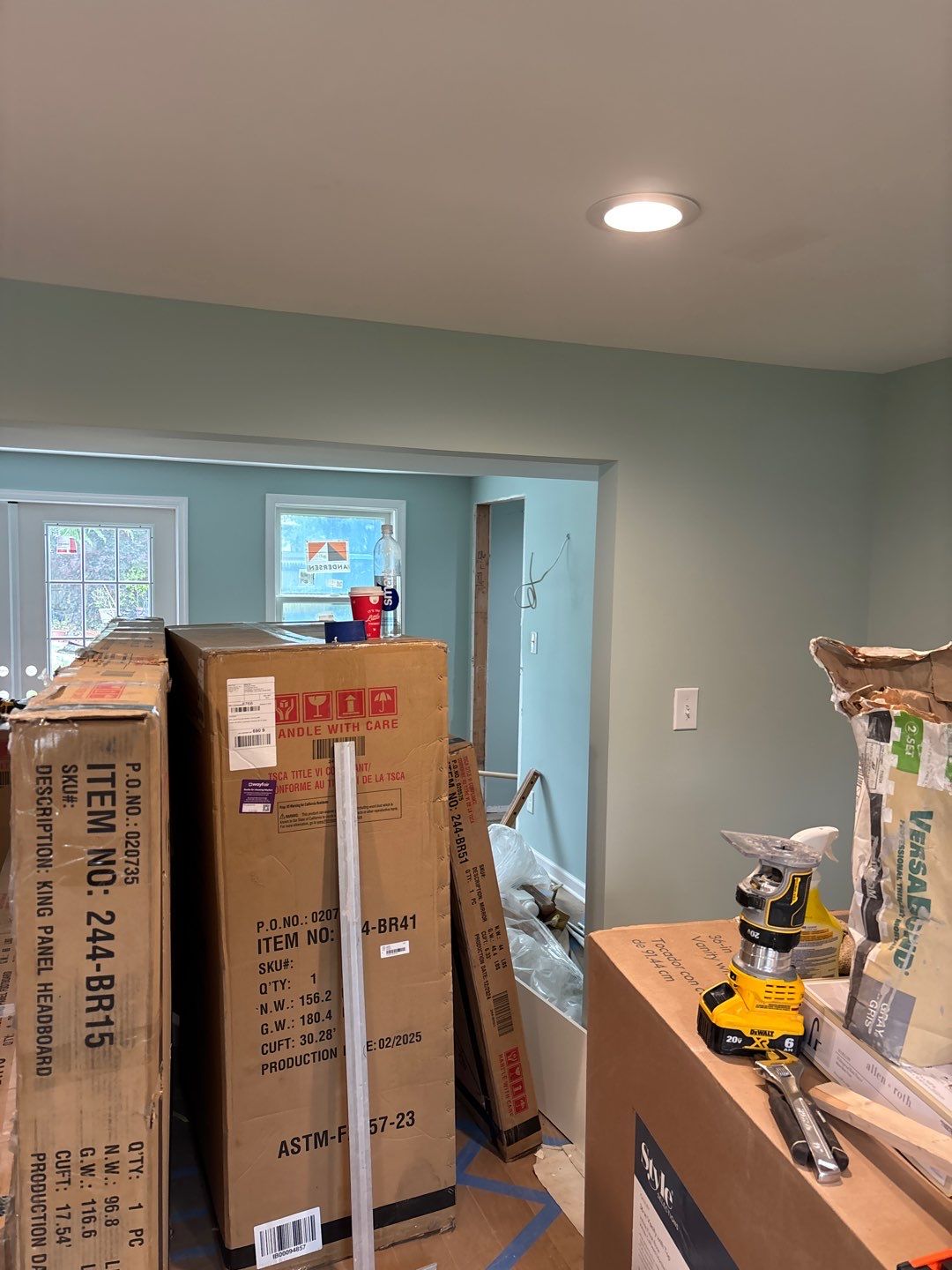
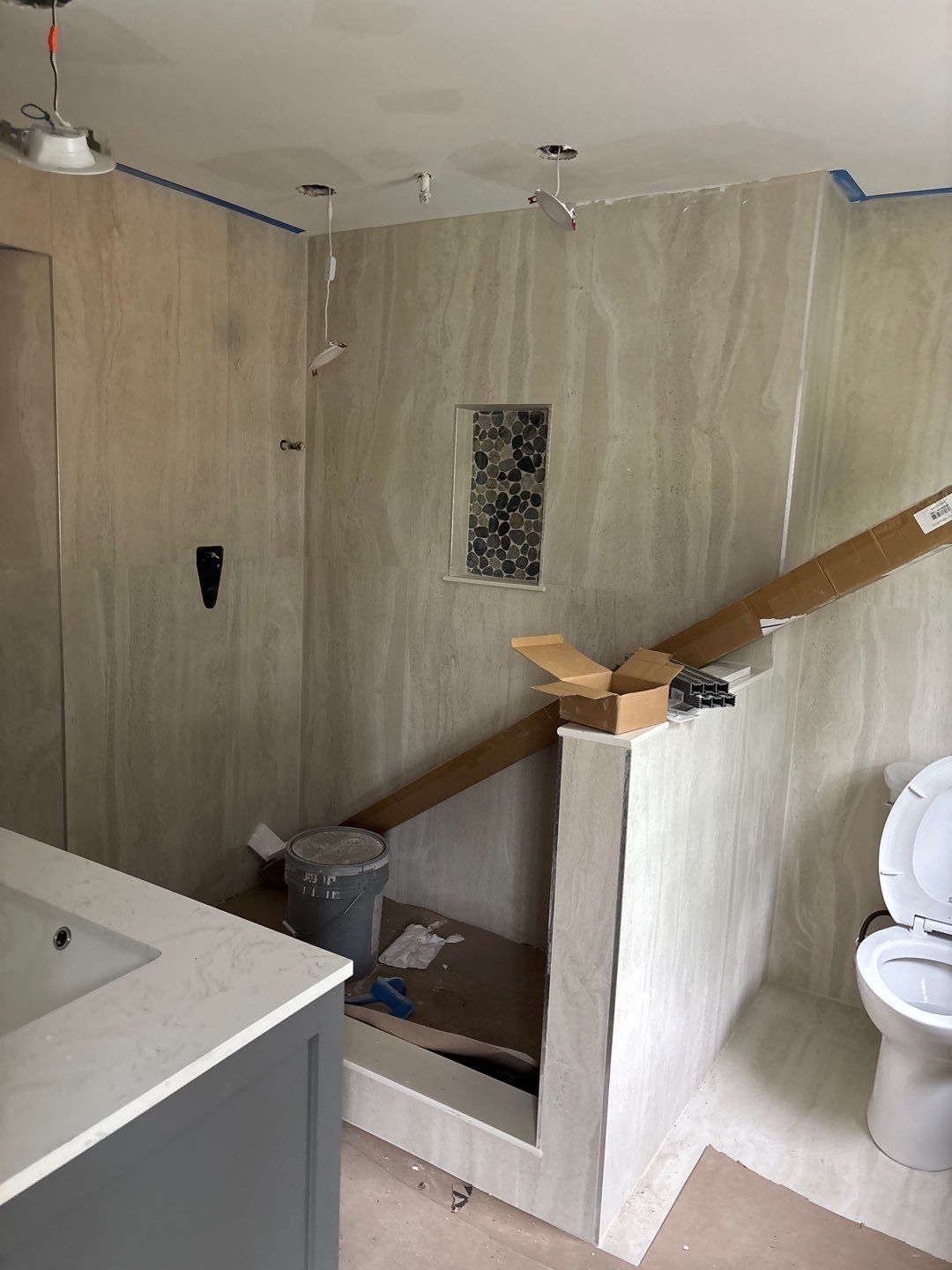
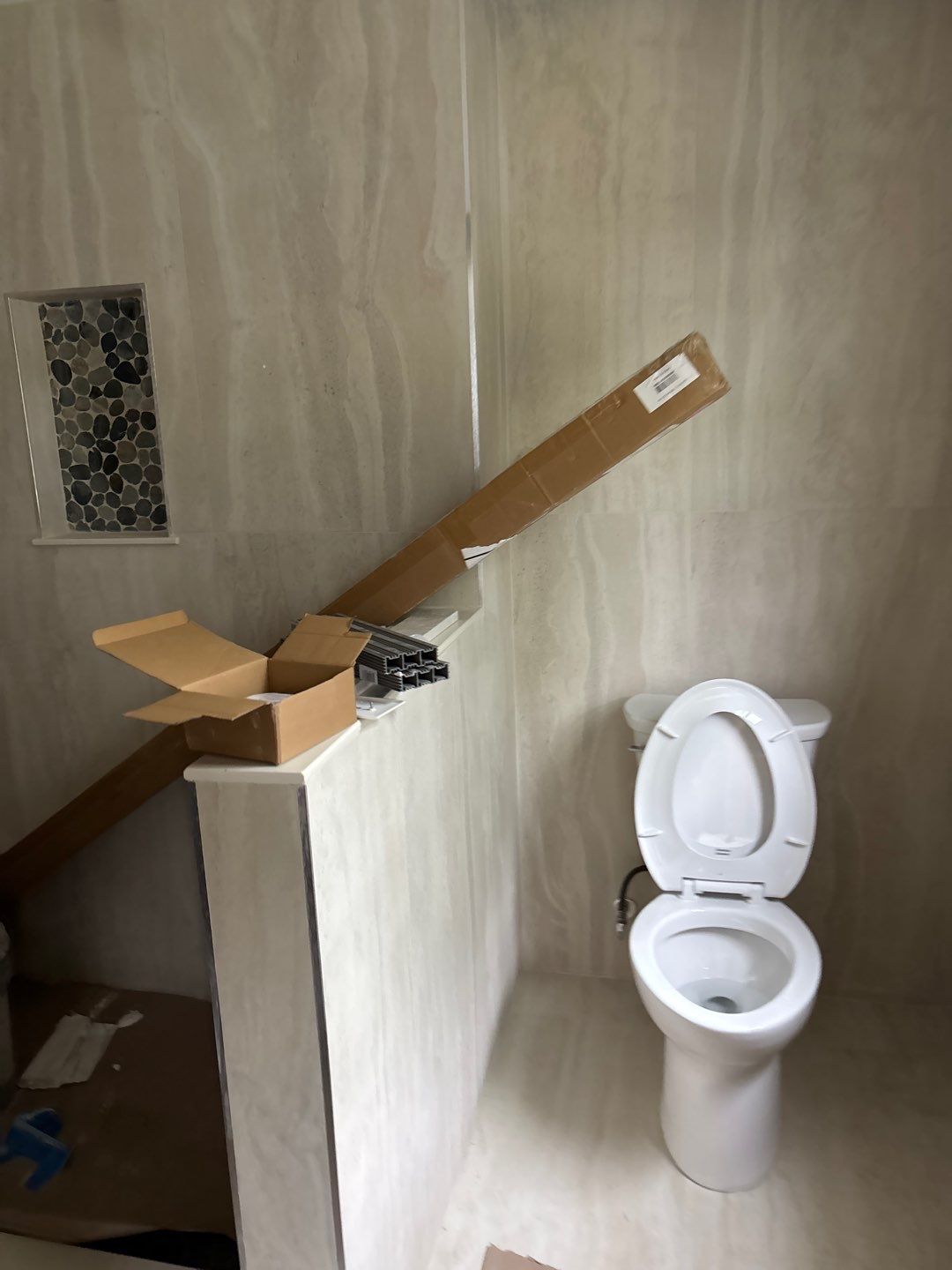
The final reconstruction services phase focused on interior finishes transforming the bare drywall into completed living spaces. This work included kitchen cabinet installation with new cabinetry throughout the space, tile work in bathrooms including new surrounds and flooring, installation of new interior doors replacing water-damaged units, comprehensive painting throughout all affected areas, installation of bathroom fixtures and vanities, and final trim work including baseboards and door casings. Project photos showed work-in-progress conditions including new drywall surfaces ready for finish work and construction materials staged for installation phases.
Navigating Reconstruction Services Challenges and Delays
Every reconstruction services project encounters challenges requiring problem-solving and adaptation. This Manalapan Township project experienced several common delay factors that extended the overall timeline beyond initial projections. Understanding these challenges provides valuable context for property owners facing similar reconstruction services needs, helping set realistic expectations for their own projects.
Permitting Timeline Challenges
Municipal permitting represented the most significant timeline challenge, with the approval process extending longer than initially anticipated due to plan revision requirements and township scheduling constraints. When initial construction drawings required modifications to meet specific code interpretations, our team worked closely with township officials to understand requirements and revise plans accordingly. While these revisions added time to the front-end schedule, they prevented more serious problems that would have emerged if work had proceeded without proper approvals or if inspections had failed requiring corrective work and re-inspection.
Inspection Scheduling Delays
Coordinating inspection schedules with township building departments created unavoidable gaps in the construction timeline. Municipal inspectors serve multiple municipalities and manage demanding schedules, meaning inspection appointments often can’t be scheduled immediately when work phases complete. Our Project Manager mitigated these delays by scheduling inspection appointments well in advance and maintaining schedule flexibility to accommodate last-minute changes. Despite proactive scheduling, inspection delays added approximately two weeks to overall project duration compared to a scenario with immediate inspection availability.
Material Delivery and Availability
Certain specialized materials including custom kitchen cabinetry required extended lead times affecting the reconstruction services schedule. When ordering custom products, manufacturers typically require 4-6 weeks from order to delivery, creating unavoidable waiting periods in the construction sequence. Our team managed these constraints by ordering long-lead items early in the project and scheduling subsequent work phases around anticipated delivery dates. This forward planning prevented work stoppages while maintaining overall progress toward project completion.
Communication and Expectation Management
Throughout these challenges, consistent communication with the homeowner proved essential for maintaining positive relationships and managing expectations. Our Project Manager provided regular updates on project status, explained delays and their causes, and maintained transparency about revised timelines. When challenges emerged requiring schedule adjustments, early communication enabled the homeowner to adjust their own plans minimizing disruption. This communication-focused approach distinguishes professional reconstruction services from contractors who go silent when problems arise, leaving property owners frustrated and uninformed.
“Reconstruction services timelines depend heavily on factors outside contractor control including municipal permitting, inspection scheduling, and material availability. Professional project management means proactive communication and realistic expectation-setting throughout these challenges.”
Quality Control and Final Inspections
As reconstruction services phases neared completion, our quality control processes ensured all work met both contractual specifications and municipal code requirements. This quality focus differentiated professional reconstruction services from lower-tier contractors who rush to completion without proper attention to finish details and long-term durability. Multiple levels of quality review occurred throughout the project, but final inspections represented the critical verification point where all previous work faced comprehensive evaluation.
Internal Quality Reviews
Before requesting final municipal inspections, our reconstruction services team conducted internal quality reviews examining all completed work for compliance with project specifications and industry standards. These internal reviews identified and corrected minor issues including paint touch-ups, caulking gaps, trim adjustments, and fixture alignment problems—the detail work that distinguishes professional reconstruction services from adequate-but-unpolished results. Addressing these items before final inspections prevented inspector concerns and ensured smooth approval processes.
Municipal Final Inspections
The township building department conducted comprehensive final inspections examining all reconstruction services work for code compliance and adherence to approved construction plans. These inspections verified structural repairs met current code requirements, insulation provided proper coverage and R-values, electrical and plumbing work met trade code standards, and all finish work aligned with approved plans. Successfully passing these final inspections represented the formal conclusion of the reconstruction services process, with the township issuing approvals closing out the building permits and certifying the work as complete and compliant.
Homeowner Walkthrough and Acceptance
Following successful municipal inspections, our team conducted a comprehensive walkthrough with the homeowner reviewing all completed reconstruction services work. This walkthrough provided opportunity for the homeowner to ask questions, understand new systems and fixtures, and identify any concerns requiring attention. Minor punch-list items identified during this walkthrough received immediate attention, with our crews returning to address any final details ensuring complete homeowner satisfaction. This formal acceptance process provided clear project closure for both parties, documenting successful reconstruction services completion.
Manalapan Township and Monmouth County: Understanding Local Reconstruction Services Needs
Manalapan Township, NJ 07726 residents face water damage risks common throughout Monmouth County including aging residential plumbing systems, storm-related flooding potential, and the high water tables characteristic of New Jersey’s coastal regions. These risk factors make emergency restoration near me capabilities essential for property protection, but they equally highlight the importance of having local access to comprehensive reconstruction services when water damage exceeds emergency mitigation capacity.
Regional Factors Affecting Reconstruction Services Demand
Several regional factors contribute to reconstruction services demand in the Manalapan Township area and broader Monmouth County market. Many residential properties in this region were constructed during post-war building booms, meaning they contain original plumbing systems now approaching or exceeding 50-year service lives. As these systems age, supply line failures and fixture leaks become increasingly common, creating steady demand for both emergency restoration near me services and follow-on reconstruction services when damage severity warrants complete rebuilding. Professional restoration companies like Toms River Restoration and our parent company Advanced DRI maintain the expertise and resources to handle projects ranging from emergency mitigation to complete property reconstruction. View additional case studies documenting our reconstruction services throughout the region.
Monmouth County’s proximity to the Atlantic coast subjects the region to nor’easter storm systems bringing heavy precipitation and occasional flooding. While coastal communities face the most severe flooding risks, inland areas including Manalapan Township experience storm-related water intrusion through roof leaks, basement seepage, and overwhelmed drainage systems. These weather events create surges in reconstruction services demand, highlighting the advantage of working with restoration companies maintaining local presence rather than distant providers who may be unavailable during widespread emergencies.
Why Monmouth County Property Owners Choose Toms River Restoration
Toms River Restoration serves Monmouth County communities including Manalapan Township from our strategically positioned headquarters in Toms River. This location enables 30-40 minute response times for emergency restoration near me calls throughout Monmouth County while providing convenient access for reconstruction services project management requiring frequent site visits, subcontractor coordination, and homeowner meetings. Our integrated approach combining emergency response capabilities with full reconstruction services means property owners work with a single company throughout their recovery process rather than transitioning between emergency restoration providers and separate reconstruction contractors.
Our reconstruction services team understands New Jersey building codes and municipal permitting requirements specific to Monmouth County townships. This local expertise accelerates permit approvals, reduces plan revision cycles, and ensures work meets township-specific requirements that can vary significantly between adjacent municipalities. For property owners in Manalapan Township, NJ 07726 and surrounding communities, this local knowledge translates to faster project completion and fewer frustrating delays compared to contractors lacking regional experience.
Common Water Damage Scenarios Requiring Reconstruction Services
Primary Water Damage Sources in Monmouth County
28%
24%
19%
17%
12%
When Emergency Restoration Becomes Reconstruction Services
About Toms River Restoration: Emergency Restoration and Reconstruction Services
Toms River Restoration has served Ocean County, Monmouth County, and surrounding New Jersey communities with professional emergency restoration near me response and comprehensive reconstruction services. Our headquarters at 5 Executive Drive, Toms River, NJ 08753 positions our teams for rapid response throughout the region while providing convenient access for reconstruction services project management requiring frequent site coordination. Learn more about us and our commitment to excellence in property restoration.
Our service capabilities encompass the full spectrum of property restoration needs from immediate water extraction and structural drying through complete reconstruction including structural repairs, interior finishing, and municipal permit management. This integrated approach means property owners work with a single trusted company throughout their recovery process rather than coordinating between emergency restoration providers and separate reconstruction contractors.
We maintain 24/7 emergency response availability at (732) 228-7582, ensuring rapid dispatch when water damage requires immediate attention. Our emergency restoration near me teams arrive equipped with commercial-grade extraction equipment, industrial dehumidifiers, and air movement systems proven effective for halting damage progression during critical first hours after water intrusion. When emergency mitigation reveals damage requiring reconstruction services, the same company manages the transition ensuring seamless continuation without gaps or handoff delays.
Our reconstruction services team brings construction expertise encompassing all trades required for complete property rebuilding including structural framing, electrical systems, plumbing, HVAC, insulation, drywall, flooring, cabinetry, tile work, painting, and interior finishing. We manage municipal permitting and inspection requirements throughout Monmouth County and Ocean County townships, leveraging local knowledge that accelerates approvals and ensures compliance with jurisdiction-specific code requirements.
For property owners in Manalapan Township, NJ 07726 and throughout Monmouth County searching for emergency restoration near me or comprehensive reconstruction services, Toms River Restoration offers the integrated capabilities, local presence, and project management expertise necessary for optimal recovery outcomes. Contact us at (732) 228-7582 for emergency response or reconstruction services consultation.